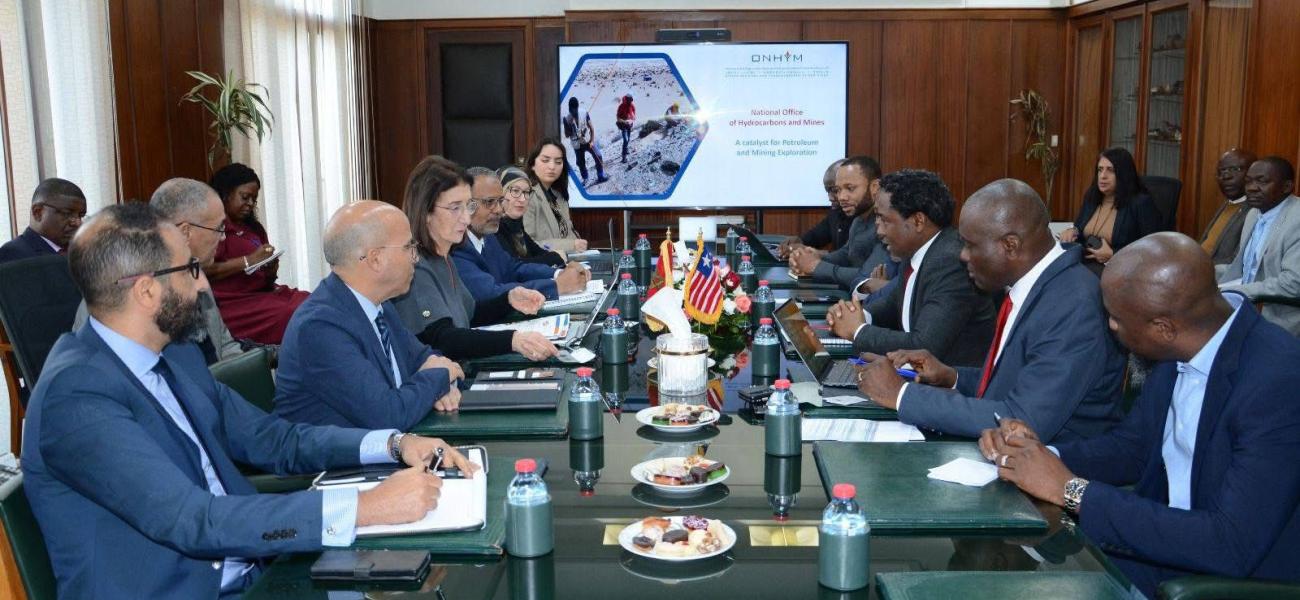
Liberia’s development ambitions require a foreign policy that is increasingly connected to the country’s economic priorities. Economic diplomacy can play a critical role in transforming Liberia’s international relationships into concrete opportunities for investment, trade, employment, infrastructure development, technology transfer and human-capital growth.
For a country seeking to reduce poverty and create sustainable economic opportunities, diplomatic engagement should be measured not only by political relationships, but also by its contribution to national development. Liberia’s missions abroad can become important platforms for promoting the country’s investment opportunities, connecting Liberian businesses to international markets, attracting development financing and encouraging partnerships that support local industries.
A stronger development focus means directing economic diplomacy toward sectors with the greatest potential to transform livelihoods. Agriculture and agro-processing, mining, energy, roads and infrastructure, tourism, fisheries, manufacturing and the digital economy should receive sustained attention. The objective should be to move Liberia beyond exporting raw materials toward greater domestic production and value addition.
Economic diplomacy should also prioritize job creation. Every major investment agreement should be examined in terms of how it can generate decent employment, develop Liberian skills, strengthen local businesses and increase opportunities for young people. Foreign investment becomes most valuable when it creates a wider economic ecosystem rather than operating as an isolated project.
Another priority should be mobilizing international financing for critical infrastructure. Liberia needs stronger roads, electricity, ports, water systems, telecommunications and productive infrastructure to unlock private-sector growth. Effective economic diplomacy can help build partnerships with governments, development institutions and international investors capable of financing these priorities.
At the same time, Liberia must strengthen its capacity to negotiate agreements that protect the national interest. Economic diplomacy should promote responsible investment, transparency, environmental sustainability, fair taxation, technology transfer and meaningful participation of Liberian enterprises.
Ultimately, Liberia needs to move from a diplomacy of representation to a diplomacy of results. Its international partnerships should contribute directly to the country’s development agenda and improve the economic prospects of its citizens.
The success of Liberia’s economic diplomacy should therefore be judged by a simple question: What measurable development value does Liberia gain from its international relationships?
When diplomacy attracts productive investment, opens markets, mobilizes infrastructure financing, builds skills and creates jobs, it becomes more than foreign policy. It becomes an engine for national development.