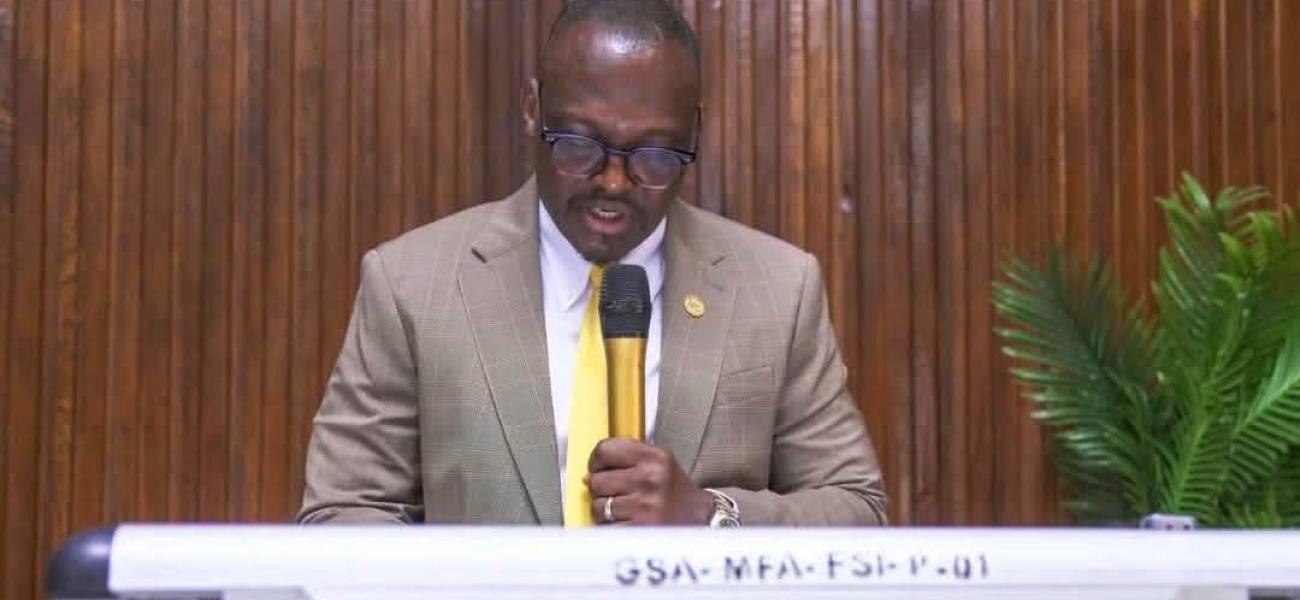
MONROVIA, Liberia — Lofa County Senator Momo Tarnuekollie Cyrus has called for stronger regional security cooperation among West African countries, warning that no nation can effectively confront growing cross-border threats without intelligence sharing, coordinated border management, and collective action.
Speaking on Wednesday, October 14, 2026, at the Gabriel L. Dennis Foreign Service Institute in Monrovia, Senator Cyrus emphasized the urgent need for West African governments to strengthen cooperation in confronting security challenges that threaten regional stability, economic development, and the safety of their citizens.
Cyrus, who chairs the Senate Committee on National Defense, Intelligence, Security and Veteran Affairs, made the call while addressing a delegation of 75 senior military officers, staff, and students from Nigeria’s Armed Forces Command and Staff College, alongside participants from Sierra Leone and Ghana.
His presentation, titled “Beyond Borders: Building a Shared Security Future for West Africa,” focused on the need for a unified regional response to threats that extend beyond national boundaries.
The Lofa County lawmaker argued that isolated national security strategies are insufficient to address increasingly interconnected threats, stressing that regional governments must move beyond political declarations and translate security commitments into practical cooperation.
According to Cyrus, the future of West Africa’s security depends on the ability of countries to share intelligence, coordinate operations, strengthen institutions, and address the underlying conditions that contribute to instability.
In outlining his vision for a more secure West Africa, Senator Cyrus identified five critical priorities that regional governments must pursue to strengthen their collective security architecture.
These include intelligence sharing and early-warning systems, integrated border management, maritime security cooperation in the Gulf of Guinea, legislative cooperation and accountability, and increased investment in youth empowerment, environmental security, and conflict prevention.
He stressed that effective intelligence sharing would enable countries to identify emerging threats earlier, while stronger border management could improve coordination among security agencies operating along national boundaries.
Cyrus also highlighted maritime security as a critical concern, particularly in the Gulf of Guinea, where cooperation among coastal states remains important to protecting maritime activities and regional economic interests.
Beyond military and law enforcement measures, he argued that lawmakers must strengthen oversight and accountability to ensure that security institutions operate within the law and remain responsive to the needs of citizens.
He further maintained that governments must address youth unemployment, environmental pressures, and other conditions that can contribute to social tensions and conflict.
Drawing from Liberia’s experience with civil conflict and post-war recovery, Cyrus underscored the importance of preventing instability before it escalates into widespread violence.
He noted that the human and economic costs of conflict demonstrate why regional governments must invest in preventive measures rather than wait until crises become difficult and expensive to manage.
For Liberia, which continues to draw lessons from its troubled past, the senator’s message placed conflict prevention and regional cooperation at the center of efforts to sustain peace.
He also called for stronger engagement through the Economic Community of West African States (ECOWAS) and other existing regional security mechanisms, emphasizing the need to ensure that agreements and commitments produce measurable results.
Cyrus maintained that regional institutions must be strengthened to respond more effectively to emerging threats and support cooperation among member states.
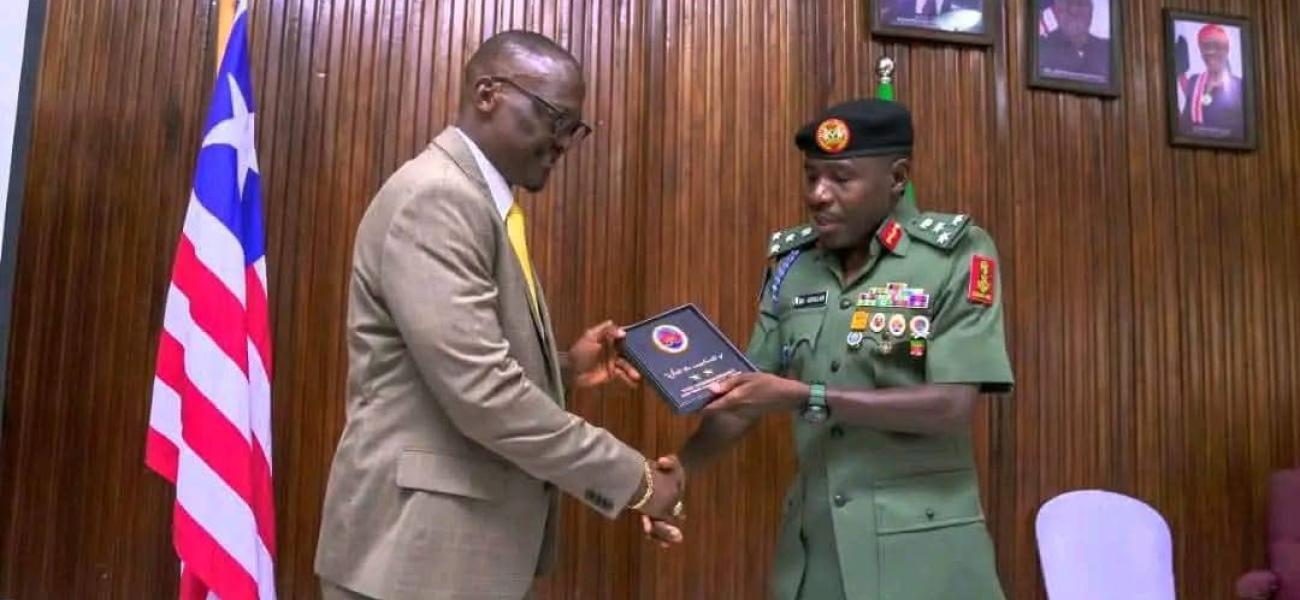
The senator also called for closer collaboration among military institutions, law enforcement agencies, diplomats, legislators, and communities living along national borders.
He argued that military preparedness alone cannot guarantee lasting peace if it is not supported by accountable governance, respect for human rights, and economic opportunities for young people.
According to him, communities must be treated as essential partners in regional security efforts because local residents are often directly affected by cross-border threats and can contribute to early warning and conflict prevention.
He emphasized that building a stable West Africa requires governments to combine security operations with policies that promote human dignity, economic opportunity, and public confidence in state institutions.
“Our borders may define our national jurisdictions, but our shared commitment to peace, human dignity, and prosperity must define the future of West Africa,” Cyrus declared.
Nigerian Military Delegation Visits Liberia
The presentation formed part of a study tour to Liberia by the Nigerian military delegation, conducted under the theme “Strengthening Cross-Border Engagement for Enhanced Regional Integration and Security.”
The visit provided an opportunity for military personnel and other participants from the subregion to engage with Liberian perspectives on regional security, institutional cooperation, and the lessons drawn from the country’s post-war recovery.
The participation of officers and students from Nigeria, Sierra Leone, and Ghana also highlighted the importance of professional exchanges in strengthening regional understanding and cooperation.
Cyrus’s address reinforced the argument that West Africa’s security challenges require sustained engagement among governments, military institutions, regional organizations, and local communities.
As countries across the region confront evolving security threats, his message was clear: lasting peace will depend not on isolated national efforts, but on a shared commitment to prevention, accountability, and collective regional action.